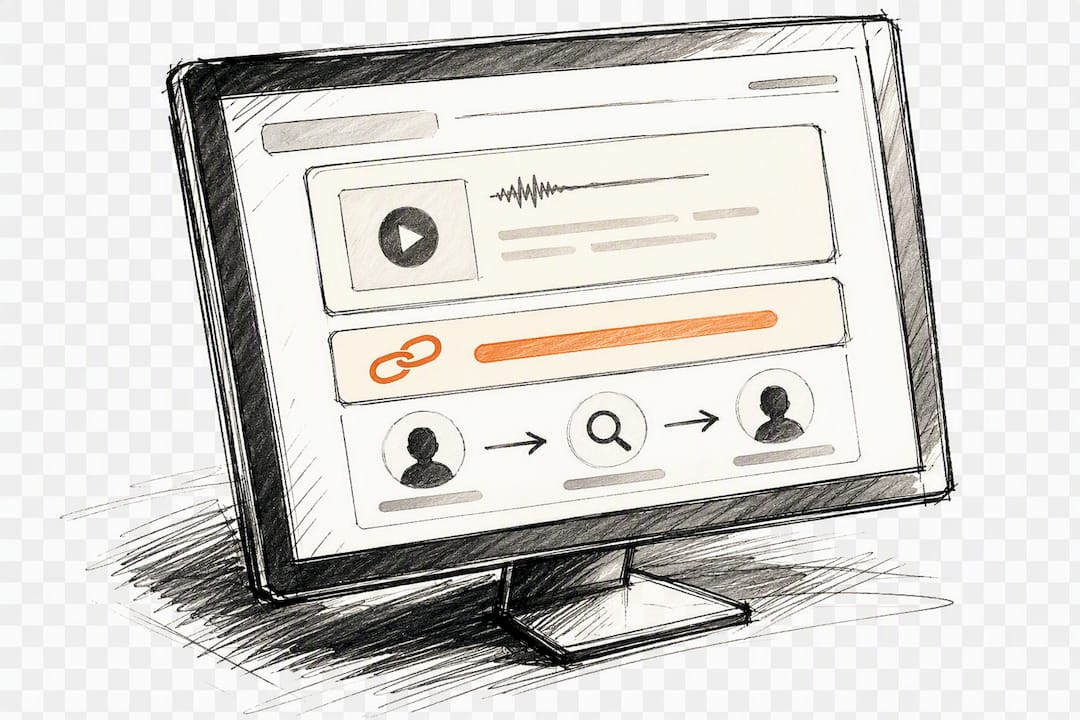
Use your Spotify track link as the default playlist pitch link, and get it in front of editors through Spotify for Artists at least 7 days before release. That single link, sent clean with no attachments, also works for outreach to independent curators. If you’re releasing on multiple platforms and want one link for fans and press, add a SmartURL alongside it, but keep the Spotify link as the one you lead with in every pitch.
TL;DR:
- Using the Spotify share link for pitches ensures editors and curators can evaluate your track quickly, as opposed to SmartURLs or promo links.
- Submit your Spotify editorial pitch at least seven days before release through Spotify for Artists, and include clear genre, mood, and fit details upfront.
- When pitching independent curators, lead with a single streaming link, a concise genre/mood description, and 2 to 3 familiar artist comps, avoiding attachments.
- Vet playlists carefully by examining follower growth, recent additions, listener distribution, and avoiding those with no recent updates or suspiciously flat engagement.
- Intonality offers real-time feedback on curated placements, emphasizing human curation over automation and making it easier to learn from each campaign.
Table of Contents
- Where to Get the Right Playlist Pitch Links
- How to Submit to Spotify Editorial: Steps and Timing
- How to Pitch Independent Curators With One Link
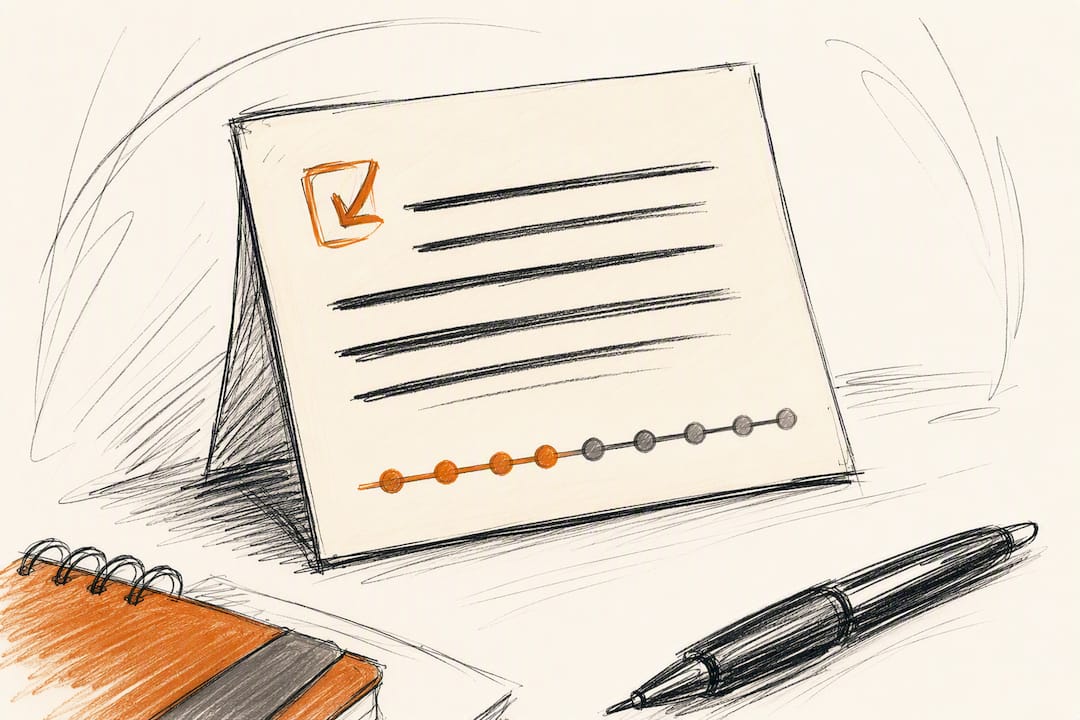
- The Pitch Checklist: What to Send With Your Link
- How to Vet Playlist Links Before You Trust Them
- What to Expect After You Send a Pitch
- How Intonality Approaches Playlist Pitching
- What Actually Matters Once You Cut Through the Noise
- Getting Started With a Managed Playlist Campaign
- A Few More Places to Check
- Sources
Where to Get the Right Playlist Pitch Links
The Spotify share link is what editors and most independent curators want. Open the track or album page in Spotify, hit the three dots, choose Share, then Copy Link. That gives you a clean URL that opens directly in the Spotify app or browser, no detours. A Spotify URI (the spotify:track: format) works too, mainly for developers building embeds or widgets, so stick with the standard share link for pitches.
A SmartURL, from a service like Linkfire or Feature.fm, is a different tool for a different job. It routes fans to whichever streaming platform they use, and it’s genuinely useful for social posts, press releases, and ad campaigns. But most curator pitches don’t need that layer.
- Spotify share link: best for editorial pitches and curator outreach, since it’s what they’re set up to click and evaluate fast
- SmartURL: best for multi-platform fan traffic and campaigns you’re tracking
- Promo/ordering links: for fan-facing pushes, not the first message you send a curator
How to Submit to Spotify Editorial: Steps and Timing
Spotify’s own pitching tool inside Spotify for Artists is where editorial consideration starts, and it comes with a hard deadline: unreleased tracks must be submitted at least 7 days before release.
- Log into Spotify for Artists and go to the Music tab.
- Click Upcoming, then select the release you want to pitch.
- Fill out the pitch form: genre, mood, instrumentation, culture and location tags, and the 500 character description.
- Submit before your 7 day cutoff and check the Playlists tab after release for editorial activity.
Editors reportedly scan genre and mood tags first, so a stronger playlist pitch communicates fit in the opening line rather than burying it in a bio. Submitting right at the 7 day minimum works, but earlier submission gives editorial teams more time to actually listen and route your track before their queues fill up.
Pro Tip: Submitting through Spotify for Artists guarantees your followers see the track in Release Radar. It does not guarantee an editorial playlist add. Those are two separate outcomes, and treating them as one is the most common mistake artists make with timing.
How to Pitch Independent Curators With One Link
Independent curators and submission platforms work differently than Spotify’s internal tool, but the mechanics of a good pitch stay the same. You’re sending one primary streaming link, a backup URL in case the first doesn’t load right, and nothing that requires a download.
- Lead with a single sentence: genre, mood, and the specific playlist lane you think it fits.
- Name 2 to 3 RIYL comps (artists the curator will already recognize).
- Skip attachments entirely. Berklee Online’s guidance on pitching is blunt about this: a direct streaming link that opens instantly beats a zip file every time.
- Understand the split between direct outreach (emailing a curator you’ve researched) and credit-based submission marketplaces (where you spend credits to get your track heard by a pool of curators). Both have a place, but they’re not the same tool.
- Send one follow-up between 4 and 7 days later, then stop. A second follow-up rarely helps and sometimes gets you flagged as spam.
The Pitch Checklist: What to Send With Your Link
Curators and editors both make fast decisions, often in under 20 seconds, so what surrounds your link matters almost as much as the link itself.
- Streaming link and metadata. Your Spotify link, exact release date and time with timezone, the explicit flag if it applies, and metadata that matches across every platform.
- Visual assets. Final cover art, one press photo, and a shared folder link (Drive or Dropbox works fine) so a curator can grab what they need without emailing you back.
- The one-sentence pitch. Genre, mood, and why this track fits this specific playlist, followed by 2 to 3 RIYL comps.
- Verifiable momentum, if you have it. A specific streaming number, a sync placement, a chart position, anything a curator could check. Skip it if you don’t have something concrete.
Pro Tip: Never write “this is going to blow up” or “trust me, it’s a hit.” Editors read hundreds of pitches a week and hype language is the fastest way to get skimmed past. Context beats enthusiasm every time.
Keep language plain and specific. A pitch that says “dream-pop, late-night, fits a Sunday chill lane, think early Beach House and Cigarettes After Sex” tells a curator everything they need in one breath. Avoid unverifiable claims about your reach or your fanbase’s size unless you can back them with a number.
How to Vet Playlist Links Before You Trust Them
Not every playlist that says yes is worth saying yes back to. Before you accept a placement or spend credits on a submission platform, run a few quick checks.
- Look at the playlist’s follower count and, more importantly, its growth curve. A playlist that jumped from 500 to 50,000 followers in a month is worth questioning.
- Check when tracks were actually added. A playlist that hasn’t been updated in months isn’t being curated, it’s parked.
- Listen through a handful of tracks. Do they actually belong together, or does the playlist read like a random dumping ground?
- Watch for flat, evenly distributed listens across every track, which often signals automated or bot-driven streaming rather than real listener behavior.
- Decline anything offering “guaranteed placement” for a flat fee with no reporting. Vetting with lightweight analytics before accepting an offer is one of the few habits that reliably separates real curators from pay-to-play operations.
A playlist with 10,000 followers and a coherent tracklist that’s added five to ten new songs in the past month is a far better bet than one with 100,000 followers and no visible curation pattern.
What to Expect After You Send a Pitch
Silence for the first few days is normal, not a bad sign. Give it room before you act.
- Send one follow-up 4 to 7 days after your initial message, then let it go.
- For editorial pitches, check the Playlists tab in Spotify for Artists and watch how Release Radar performs on release day.
- Track saves, follower growth, and where your traffic is actually coming from in the weeks after release.
- Treat any curator feedback, even a short rejection note, as data you can use to sharpen the next pitch.
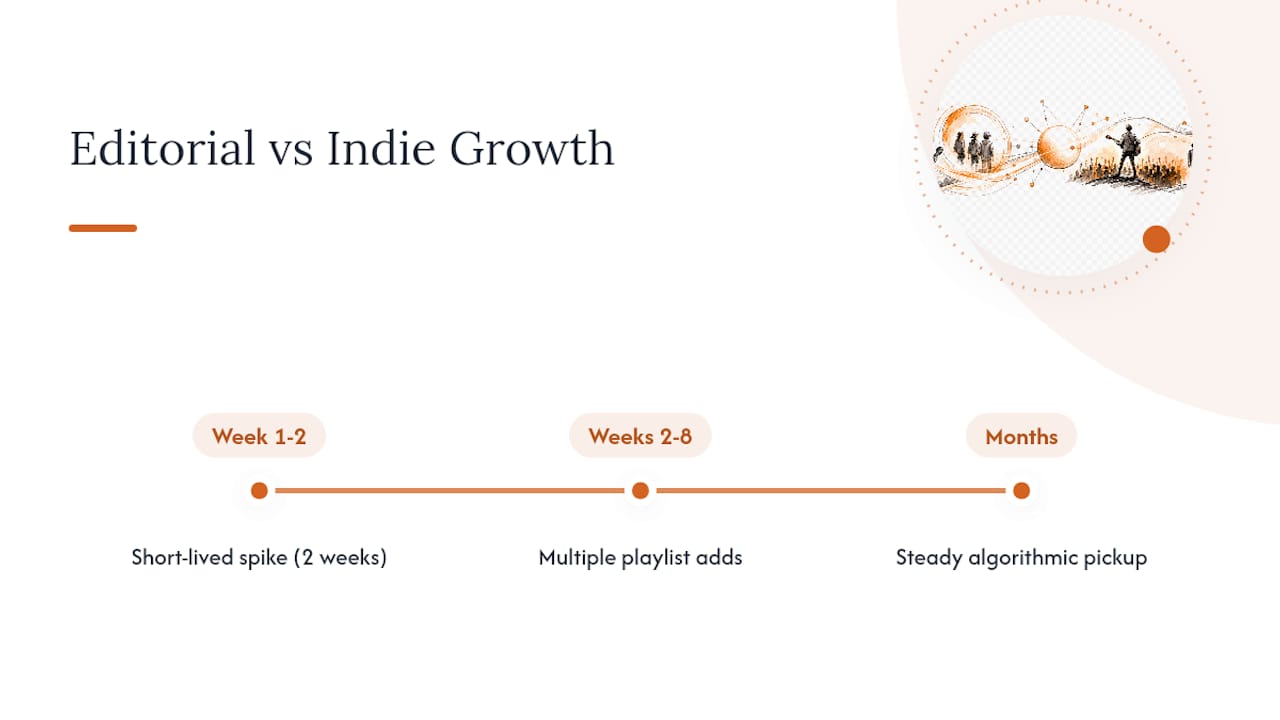
Algorithmic playlists like Discover Weekly often end up mattering more for long-term growth than a single editorial add, so don’t measure a campaign’s success by one outcome alone.
How Intonality Approaches Playlist Pitching
Intonality builds its entire process around one idea: a human curator reading your pitch beats a bot deciding your fate. Every submission goes to a real, genre-matched curator, not an automated queue or a playlist padded with inactive followers.
- Every campaign includes real-time updates so you can see decisions as they happen, not weeks later.
- Curators leave written feedback on every decision, accepted or not, so a rejection actually tells you something.
- Campaign outcomes vary with the chosen service tier, with genre-matching influencing which curators see your track.
That written feedback loop is the part most automated services skip entirely, and it’s usually the difference between a campaign that teaches you something and one that just spends your money.
What Actually Matters Once You Cut Through the Noise
Most advice on playlist pitching treats every step as equally important, and it isn’t. The link you use, the timing you hit, and the one sentence you lead with matter far more than the polish of your press photo or the length of your bio.
The conventional wisdom oversells editorial placement as the finish line. It’s one outcome among several, and for most independent artists, a string of independent playlist adds plus steady algorithmic pickup does more for long-term listenership than a single Spotify editorial slot that rotates off in two weeks. Chase the editorial pitch because it’s free and worth 20 minutes of your time, not because it’s the only thing that counts.
Where artists lose the most ground is vetting. Sending your one clean Spotify link to twenty unverified “curators” you found through a random hashtag search is not a strategy, it’s a hope. Spend the ten minutes checking follower growth and recent adds before you send anything, paid or free. That single habit will save more wasted effort than any pitch template.
If you’re doing this yourself, the checklist above covers it. If you’d rather have someone with curator relationships handle the targeting and read the feedback for you, that’s a fair trade for your time, not a shortcut.
— Einars
Getting Started With a Managed Playlist Campaign
If you’d rather not spend hours vetting playlists and drafting outreach messages one curator at a time, Intonality runs that process for you and puts your track in front of real, genre-matched curators instead of automated queues. You get real-time updates as decisions come in and written feedback on every single one, whether it’s a yes or a pass, so you’re not left guessing why a track didn’t land.
Before you submit, run through the checklist above: clean metadata, final artwork, your Spotify link, and a one-sentence pitch with your RIYL comps ready. Campaign outcomes vary depending on the tier chosen, with genre-matching determining curator exposure to submissions. Browse the current service tiers and playlist campaigns to see which fits your release, or check out an example placement like Rock Revival to see how genre targeting plays out in practice.
A Few More Places to Check
Start with Spotify’s own pitching guidelines for the official rules on timing and eligibility. For deeper mechanics on the pitch field itself, Intonality’s guide to nailing your Spotify editorial pitch walks through the 500 character field line by line.
Sources
- Pitching music and videos to Spotify playlist editors - Spotify
- How to Write a Stronger Playlist Pitch That Editors Understand — Symphonic blog
- Artist