In a Spotify for Artists pitch, you choose one main genre and up to three subgenres. Pick the ones that describe the sound at its core, not the ones with the biggest audience. Spotify says this metadata helps put your song in front of the right team of editors, and the same logic applies when you pitch independent curators: the closer the genre fit, the better your odds of being heard by someone who wants the track.
This guide covers what the pitch form asks for, how to choose when your music blends styles, how genre works alongside mood and instruments, and how to carry the same choices into curator outreach.
TL;DR
- Spotify’s pitch asks for one main genre and up to three subgenres, plus moods, song styles, music cultures and instruments.
- Choose genres by the track’s sonic foundation, not by the largest possible audience. Use the descriptive fields to explain what the genre label cannot.
- Pitch at least 7 days before release. Once a song is live, it can no longer be pitched through Spotify for Artists.
- Pitching does not guarantee placement. A precise genre match raises the chance the right person actually listens.
- The same genre discipline applies to independent curators, where a mismatch is the most common reason for a decline.
What the Spotify pitch form asks for
The pitch lives in Spotify for Artists, and it is only open for unreleased songs. According to Spotify’s own description of the feature, you pick one top-level genre and can add up to three subgenres. You can also add up to three music cultures, up to two moods, up to two song styles, and the instruments on the track. You then mark whether the song is a cover, a remix, instrumental, or a studio or live recording.
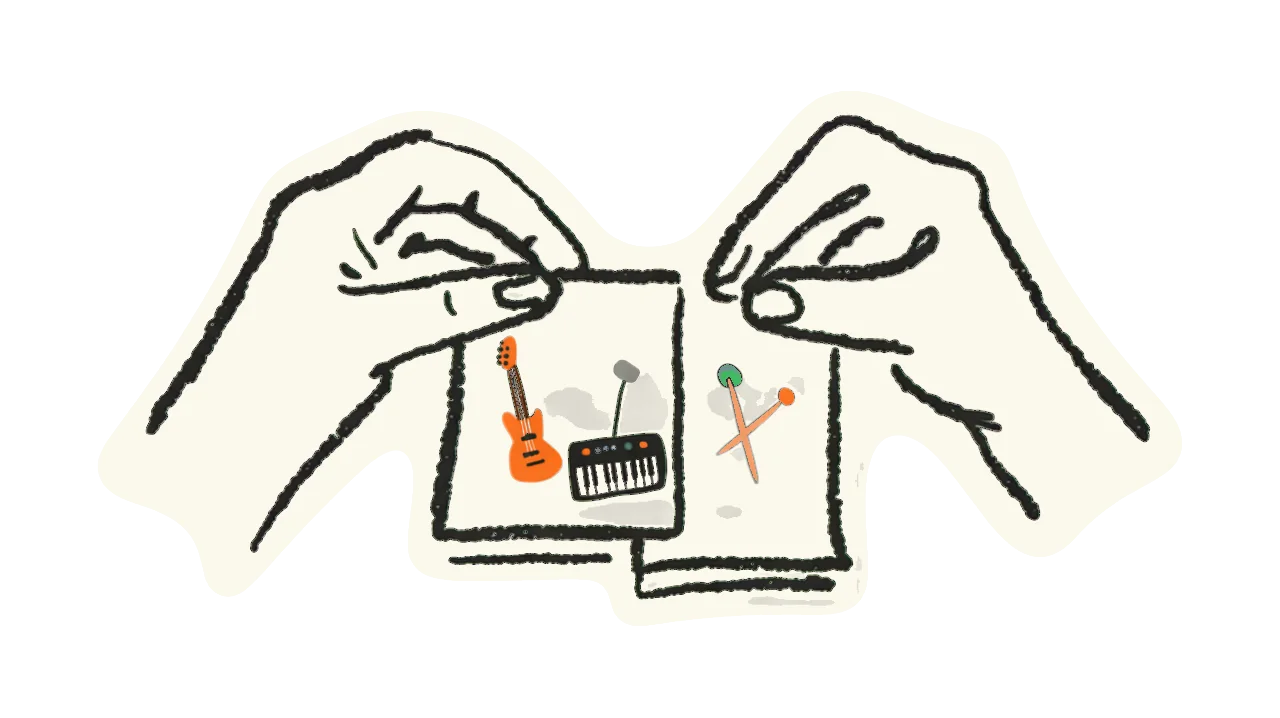
Spotify gives country rock, folk rock and hard rock as examples of distinctions that matter. Those three share a word, yet they land in very different editorial pools. That is the point of the exercise: the form is a routing tool as much as a description.
The Playlisting page for artists adds two details worth knowing. You can pick up to three genres and should describe the sound. It also asks for your hometown and current location, because editors sometimes look for music from particular places.
Here is the whole set in one view:
| Field | How many you can choose | What it does |
|---|---|---|
| Main genre | 1 | Sets the broad editorial team that sees your song |
| Subgenres | Up to 3 | Narrows the pool, for example country rock vs. hard rock |
| Music cultures | Up to 3 | Signals cultural or regional roots |
| Moods | Up to 2 | Helps match playlists built around a feeling |
| Song styles | Up to 2 | Describes how the track is built |
| Instruments | As relevant | Gives editors searchable detail |
The field list comes from the 2018 announcement of the feature. Spotify can change the form, so open the pitch screen in Spotify for Artists and check the current options before you submit.
Why the genre choice matters more than it looks
Spotify describes the metadata as information that helps editors decide where a song might fit. It is combined with what Spotify already knows about you, including how your fans listen and which playlists you have appeared on. In other words, your genre tags are one input among several, but they are the one input you fully control.
Spotify’s support guidance says more detail gives a song a better chance, and also states that pitching does not guarantee a playlist placement. Treat genre as a way to avoid being mis-sorted, not as a lever that forces a result.
The same shared article notes that the song and the details you provide also affect personalized recommendations. Its stated example is that a song pitched at least 7 days early automatically appears in your followers’ Release Radar. If you are weighing timing, our guide to when to submit before release goes through it in detail.
Editorial, personalized and algorithmic playlists
Spotify separates three kinds of playlists: editorial playlists made and maintained by its team, personalized editorial playlists ordered for each listener, and algorithmic playlists such as Discover Weekly, Release Radar and Daily Mix. Genre fit plays out differently in each. Editors read your tags and listen. Algorithmic systems lean on listener behavior. A precise genre helps with the first and avoids confusing signals for the second, because the wrong audience tends to skip a song quickly.
Some practitioner blogs claim that Spotify routes pitches strictly by the tags you select. Spotify’s documentation does not describe it that way, so use specificity as good practice, not as a known mechanism.
How to choose your main genre
Start from the sound, not the scene you want to belong to. Ask three questions:
- What would a stranger call this in one word after 30 seconds? That is usually your main genre.
- Which genre do the drums, bass and vocal delivery belong to? Production often tells the truth that lyrics blur.
- Where would a listener who loves this track already spend time? Think of the playlists and artists they follow.
A distribution-focused guide from iMusician recommends choosing based on the track’s sonic foundation and likely audience, not on the biggest possible audience. It also warns that a poor genre match can put a track in front of the wrong listeners. That is practitioner advice, not a Spotify rule, but it matches how we see campaigns play out.
Example: one song, three possible labels
Imagine a track with fingerpicked acoustic guitar, a warm female vocal, and a slow synth pad underneath.
- Main genre: Folk or Indie, depending on whether the guitar or the pad carries the song.
- Subgenres: indie folk, chamber folk, dream pop.
- Mood: Chill, Reflective.
- Instruments: acoustic guitar, synthesizer.
If you chose Pop as the main genre because it is big, editors who cover Pop would hear a quiet folk song and move on. The pool of folk-minded editors might never see it. Honest labeling puts the song where it can be loved.
When your track blends styles
Most interesting songs sit between categories. You cannot add every label you like, and you should not try. Two company blogs offer a workable approach.
Splice’s discussion of genreless music suggests that cross-genre artists may need to make a strategic single-genre choice, then supplement it with accurate mood, location, instrument and style information rather than piling on tags. iMusician suggests using the closest parent genre when a niche label is not available, and explaining the microgenre through the descriptive fields.
Put together, that gives you a simple procedure:
- Pick the parent genre that the rhythm section and arrangement belong to.
- Use subgenre slots for the two or three styles that are actually audible, ranked by how strongly.
- Use mood and instruments to carry the nuance, such as a hyperpop vocal over a drum and bass break.
- Say the rest in the written description, in plain words.
A quick test for each subgenre
Before you keep a subgenre tag, ask whether a fan of that style would nod or frown when the chorus hits. If you hesitate, drop it. Three accurate tags beat three hopeful ones. You also do not have to use all three slots.
Genre, mood, instruments and context work as a set
Genre answers what. Mood answers how it feels. Instruments and song style answer what it is made of. Spotify says that genre, mood, instruments, culture and other information help editors decide where an unreleased track fits, and that editors search pitches using the information you submit.
That has a practical consequence: write the description with searchable facts in mind. Name the instruments that actually feature. Mention the language of the vocals if it is not English. Note the story behind the song only if it adds something. For a deeper walkthrough of the written part, see our playlist pitch examples with editor annotations and the guide to writing a playlist pitch.
For label-only pitches, Spotify’s support page says artists and managers may be unable to view or edit some details, such as genre, mood and culture tags. If a label or distributor handles your pitch, ask them which tags they entered before release day.
Common genre mistakes in pitches
- Choosing the biggest genre. Pop, Hip-Hop and Rock are crowded. If your song is really bedroom pop or boom bap, say so.
- Tagging an aspiration. The genre of the song you wish you had written is not the genre of the song you made.
- Using all slots by default. Extra tags dilute the signal.
- Ignoring location. Spotify asks for hometown and current location because editors sometimes look for music from specific places, so fill it in.
- Contradicting yourself. A Chill mood tag on a hard-hitting drill track confuses everyone who reads it.
- Pitching too late. Spotify says to submit at least seven days before release. A live song cannot be pitched.
One more point: the pitch is for a single song. Choosing the track that best represents your current sound makes your genre tags more credible. Our piece on pitching unreleased songs covers how to decide which track to put forward.
Perspective
Genre is the first thing a curator reads and the first thing they decide on. When we screen playlists and match them to songs, the question is never whether a track is good in the abstract. It is whether this listener base wants this exact sound.
That is why we built our campaigns around manually screened, genre-matched curators instead of mass blasts. A song sent to fifty playlists that never fit it gives you noise. A song sent to a smaller set of playlists that fit it gives you an answer, and written feedback on every decision tells you whether your genre choice was the problem or something else.
Many artists treat a decline as a verdict on the music. Often it is a labeling issue. We publish placements and declines transparently, with the curator’s written reasons, so you can see the pattern and adjust your genre tags, your description, or your next single. By our own account, campaigns average between 4 and 11 playlist placements depending on the service tier, and the genre match is the reason we start with curation rather than volume.
Do the Spotify pitch yourself, and do it carefully. Then give the same song to curators who actually listen for your genre.
Einārs
Using the same genres with independent curators
The Spotify for Artists pitch reaches Spotify’s editors. Independent curators run the many other playlists on the platform, and they work from different information: a short message, a link, and often a genre field of their own. Your genre work carries over directly.
- Use the same main genre and top subgenre in your message, in the first line.
- Name one or two similar artists whose listeners would recognize the sound.
- Match the playlist’s own description. If it says dark synthwave, a track described as upbeat pop will be passed over.
Our guide on how to submit to Spotify playlists explains the different routes, and manual playlist pitching explains why one song, one considered pitch works better than a broad blast. If you are planning the timing of a wider push, see campaign timing for indie artists.
Put your genre choices to work
If you want curators who match your genre, we send personalized pitches to vetted, genre-matched real curators. You get real-time updates and written feedback on every curator decision, and pre-release submissions are supported. We do not use fake streams or bots. Our positioning is that campaigns start at a lower price than the best-known alternative, with automatic refunds for inadequate reviews. See the Starter, Standard, Pro and Max tiers to choose a campaign size.
You can also browse public campaigns with real curator feedback to see how genre fit shows up in curator responses before you commit.
Genre checklist before you hit submit
- Listen to the first 30 seconds and write down the genre a stranger would name.
- Set the main genre to that label. Use at most three subgenres, each audible.
- Add one or two moods and the instruments that really feature.
- Add hometown and current location.
- Confirm the release date is at least seven days away.
- Write a short description that names the genre, the mood and one or two reference artists.
- After release, compare your results with the genre you chose and adjust for the next single.
For the editorial side of the process, how to nail your Spotify editorial pitch goes further, and pitching one song seven days early offers templates.
FAQ
How many genres can I choose in a Spotify pitch?
You choose one main genre and up to three subgenres, according to Spotify for Artists. You can add moods, song styles, music cultures and instruments on top of that. You do not need to fill every slot.
What if my song does not fit one genre?
Choose the parent genre that the beat and arrangement belong to, then use subgenres, moods and instruments to show the blend. Practitioner guidance from Splice favors one strategic genre choice plus accurate supporting detail over a long list of tags.
Can I pitch a song after it is released?
No. Spotify’s support guidance says only upcoming, unreleased songs can be pitched, and recommends submitting at least seven days before release. For released songs, independent curators remain an option.
Does the right genre guarantee a playlist placement?
No. Spotify states that pitching does not guarantee placement, and that more detail only improves the chance of consideration. A track that is not selected may still be discovered later. Accurate genres simply make sure the right people hear it.
Sources
- How the New Playlist Pitch Feature Helps You Find Fans, Spotify for Artists
- How the New Playlist Pitch Feature Helps You Find Fans, Spotify for Artists (second URL)
- Playlisting, Spotify for Artists
- Share New Music for Playlist Consideration, Spotify for Artists
- Pitching music and videos to Spotify playlist editors, Spotify Support
- Understanding Music Genres for DSPs, iMusician
- Finding an audience for your music when it’s genreless, Splice