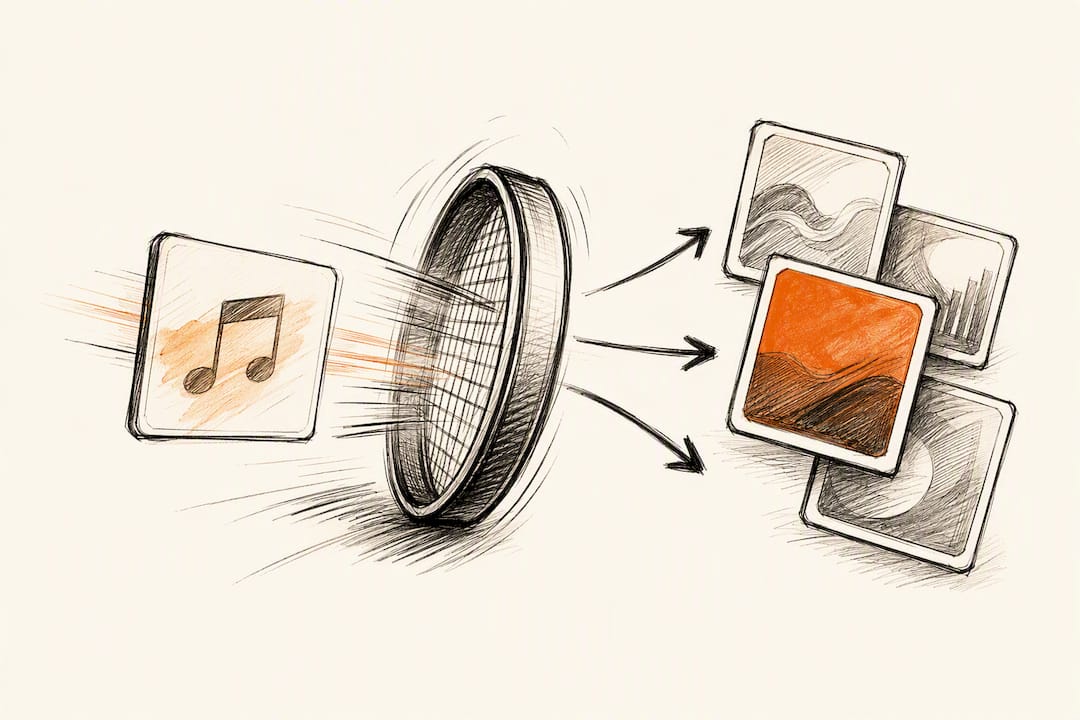
Genre matching playlists means pitching a track to Spotify playlists whose sound, mood, and listener base actually fit the song, rather than blasting submissions everywhere. The verdict: prioritize genre fit above everything else, submit through the Spotify for Artists editorial pitch for every eligible release, run parallel outreach to independent curators whose playlists genuinely match your sound, and consider a vetted managed service like Intonality when you want curated introductions and written feedback instead of guessing in the dark.
TL;DR:
- Prioritize pitching to playlists with a strong genre match, focusing on tools like Spotify for Artists and independent curators rather than large, unrelated playlists.
- Check playlist activity, engagement ratios, and curator transparency before investing time in outreach, ensuring the playlist is active and genuinely relevant.
- Craft concise, specific pitches that reference the playlist, similar artists, and include a release link, avoiding generic or rambling messages.
- Submit proposals two to four weeks before release for Spotify’s editorial team and one to two weeks prior for independent curators to maximize placement chances.
- Track placement success through save and skip rates, follower growth, and listener retention, and pivot away from poorly performing playlists for future campaigns.
Table of Contents
- Why Genre Fit Matters More Than Playlist Size
- How to Find and Vet Genre-Matched Curator Playlists
- What to Put in a Pitch That Curators Actually Read
- When to Pitch and What Metrics Actually Matter
- How Intonality Approaches Genre Matching in Practice
- Start a Genre-Matched Campaign Without the Guesswork
- Sources
- FAQ
Why Genre Fit Matters More Than Playlist Size
A placement on a mismatched playlist can actively hurt you. Spotify’s recommendation system leans heavily on listener behavior right after a track plays, and skip rate is one of the loudest signals in that mix. When your song lands on a playlist where it does not belong, tempo, mood, or vocal style, listeners skip fast, and that early skip data gets logged against your track. It can make later organic discovery harder, not easier.
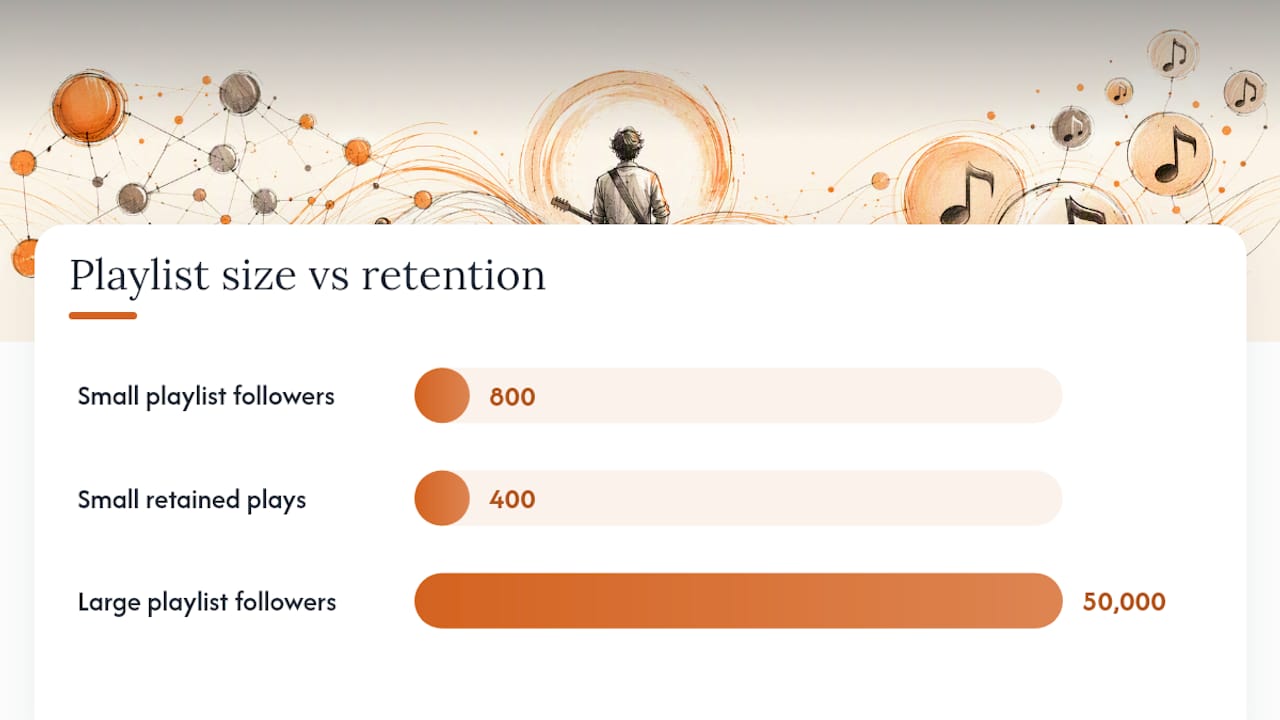
Compare that to a small, well-matched playlist with 800 engaged followers. If half of them save the track or let it play through, Spotify reads that as a strong signal and starts pushing the song into Discover Weekly and Radio slots for similar listeners. A 50,000-follower playlist stuffed with unrelated genres will rarely deliver that kind of retention, even though it looks more impressive on paper.
Before pitching anywhere, run a quick fit check:
- Does the playlist’s average tempo and energy match your track within a reasonable range?
- Are the instrumentation and production style similar (acoustic vs. synth-heavy, live drums vs. programmed)?
- Does the overall mood (upbeat, moody, chill) match the playlist’s stated theme?
- Would your track sound natural next to the artists already featured on it?
If you can’t answer yes to most of these, skip the pitch. A placement that doesn’t fit is worse than no placement at all.
How to Find and Vet Genre-Matched Curator Playlists
Three main channels exist for finding curator playlists that fit your sound: Spotify’s own editorial team through Spotify for Artists, independent curators who run niche or micro genre playlists, and vetted submission platforms that connect artists to a pool of pre-screened curators. Manual discovery through genre-specific blogs, Reddit communities, and artist forums still works too, especially in thin-genre spaces like metal or niche world music formats where independent scenes reward direct outreach more than platform-based pitching.
Once you’ve found candidates, vet them before you invest any time or money:
- Check the update frequency. A playlist that hasn’t added a new track in three months is likely inactive or abandoned.
- Listen through two or three tracks currently on the playlist and compare their instrumentation, mood, and production quality to your own.
- Look at the follower-to-engagement ratio. A playlist with 40,000 followers but almost no saves or comments on its tracks is a red flag.
- Search for the curator’s identity. A real curator usually has a name, a social presence, or a website tied to the playlist, not just an anonymous Spotify handle.
- Confirm the playlist description and cover art actually match the music inside it, not just the genre tag Spotify assigned.
Curator vetting checklists consistently point to the same red flags: inconsistent track listings, no curator transparency, and unrealistic engagement numbers are the clearest signs of a playlist not worth your time.
Pro Tip: Before you pitch, save the playlist and revisit it a week later. If the tracklist hasn’t changed at all, the curator probably isn’t actively managing it, no matter how many followers it shows.
What to Put in a Pitch That Curators Actually Read
Curators skim dozens of submissions a day. A pitch that rambles gets deleted before the curator even opens the track. The strongest pitches are short, specific, and prove you actually listened to the playlist rather than mass-messaging a genre tag.
A high-converting pitch includes:
- A one-line descriptor: genre, mood, and one or two comparable artists.
- A specific reason it fits this playlist, ideally naming a track already on it.
- The release date and a private or pre-release link.
- One line of artist context (where you’re from, what the song is about, or a relevant milestone).
- A polite, direct ask and a thank you.
For quick-submission platforms with tight character limits, a one-line version works:
For platforms or email pitches that allow more room, expand to two or three sentences that add context without padding. Pitching guides that study curator behavior consistently find the same pattern: research the playlist, time the outreach, and write concise pitches that reference specific songs already on it. Honesty about your genre matters too. Tagging a track as “indie pop” when it’s really synthwave gets you an instant pass, and it burns trust with a curator you might want to pitch again.
When to Pitch and What Metrics Actually Matter
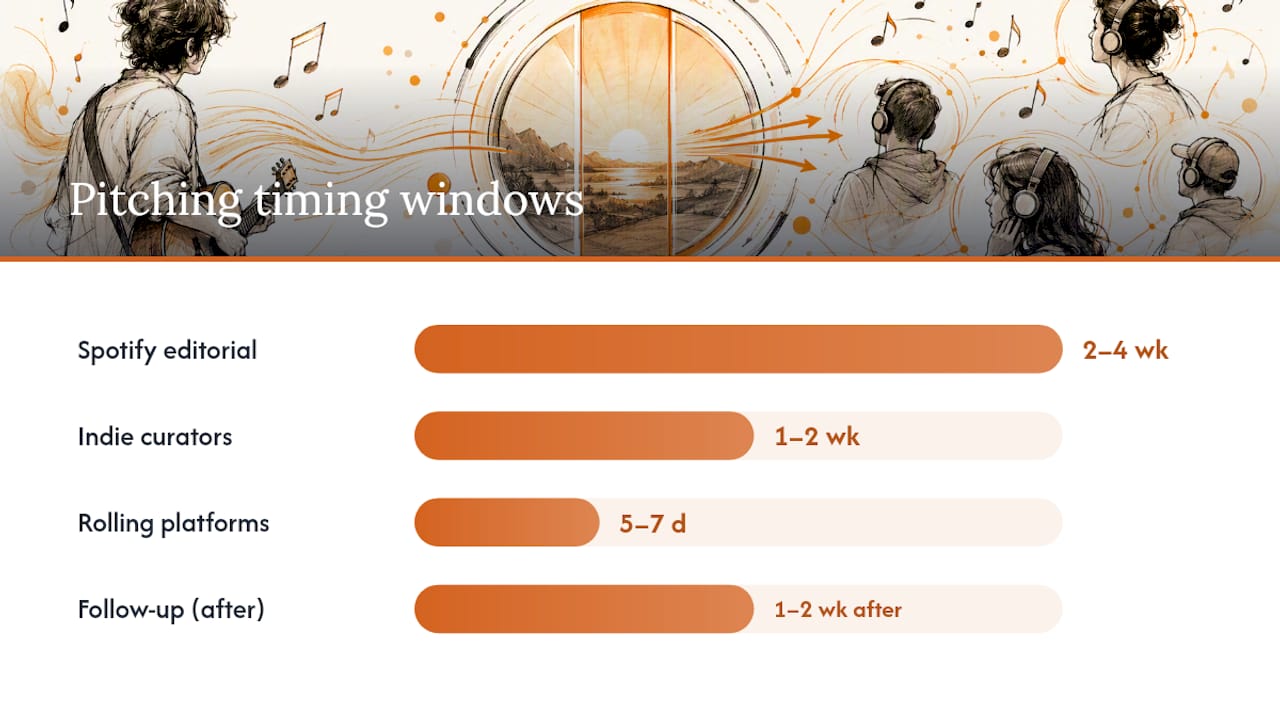
Timing depends entirely on who you’re pitching. Spotify’s own editorial team plans playlists well in advance, so submitting through Spotify for Artists two to four weeks before release gives your pitch time to reach a human reviewer before the placement window closes. Independent curators tend to work on shorter cycles, so one to two weeks pre-release is usually enough lead time. Submission platforms with rolling review queues can often be pitched five to seven days out, and it’s worth following up with curators one to two weeks after release to see if the track earned a spot based on early streaming data.
Editorial pitching costs nothing and gets read by a real person, but the hit rate for indie submissions typically runs in the 3 to 5 percent range, so treat it as one layer of a campaign, not the whole strategy.
Once a placement lands, track these signals:
- Save rate: the percentage of listeners who save the track after hearing it on the playlist.
- Skip rate: how quickly listeners skip, especially in the first 30 seconds.
- Follower growth: any bump in your artist profile followers tied to the placement window.
- 28-day listeners: whether the placement produces a lasting lift or just a short spike.
If a curator’s placement consistently produces low skip rates and follower growth, that’s a curator worth pitching again for future releases. If a placement shows a high skip rate despite looking like a genre match on paper, pivot away from that playlist rather than repeating the outreach.
How Intonality Approaches Genre Matching in Practice
Intonality builds its campaigns around manual curator screening rather than automated blasts. Every curator on the platform is vetted for genre fit before an artist’s track is even pitched, and every submission goes out as a personalized pitch rather than a form letter dropped into a queue. The company reports curator decisions come back with written feedback attached, whether the answer is a placement or a pass, so artists get more than a stream count out of the process.
Intonality states that campaigns average 4 to 11 playlist placements, depending on the tier selected, a figure the company reports rather than an independently audited benchmark. Whether that kind of managed campaign makes sense depends on where you are. If you have the time to research playlists, write personalized pitches, and track outcomes yourself, manual outreach works, especially in a niche genre where scene-specific curators respond better to direct contact. If you’d rather spend that time writing music and let someone else handle the vetting and the outreach, a managed service built around genre matching fills that gap.
— Einars
Start a Genre-Matched Campaign Without the Guesswork
Intonality skips the mass-submission model entirely. Instead of blasting your track to hundreds of playlists hoping something sticks, every pitch goes to a curator who has been manually screened for genre fit, and every decision comes back with written feedback so you know exactly why a placement happened or didn’t.
That matters most for artists who’ve tried DIY outreach or automated submission tools and gotten silence in return. If you want curated introductions instead of a black box, the Starter, Standard, Pro, and Max campaign tiers each match tracks to real curators in your genre, with real-time updates on where your submission stands. Artists exploring alternatives to blast-style platforms can also see how the approach compares to typical submission services. Check the current tiers and start a campaign built around fit rather than volume.
Sources
For deeper research, start with Spotify’s own promotion guidance on editorial pitching and campaign tools. Intonality’s guides on preparing your Spotify for Artists submission, nailing the editorial pitch, and vetting curators quickly cover the mechanics in more detail. For release planning around your pitch timeline, THE GURLZ’s four-week distribution plan is a solid companion resource.
- Behind the playlists: your questions answered by our playlist editors — Spotify for Artists blog
- Playlist Pitching: Strategy, Timing, and Follow-Up | Orphiq
- How to Get on Spotify Playlists in 2026 (3 Routes) | MelodicMind
FAQ
What Does “Genre Matching” Mean for Playlist Pitching?
It means pitching your track only to playlists whose tempo, mood, instrumentation, and existing artist roster genuinely fit your sound, rather than submitting broadly and hoping for a placement.
How Many Playlist Placements Should I Expect Per Campaign?
Results vary by channel and effort. Independent curator platforms often report around 3 to 5 placements per campaign, while Intonality states its managed campaigns average 4 to 11 placements depending on the tier.
Should I Submit to Spotify Editorial or Independent Curators First?
Submit the Spotify for Artists editorial pitch as soon as your release is scheduled, since it’s free and reviewed by a human, then run independent curator outreach in parallel rather than waiting on one before starting the other.
How Do I Know if a Curator Is Legitimate?
Check for consistent recent playlist updates, a realistic ratio between follower count and actual engagement, and a real identity behind the playlist, whether that’s a name, website, or social account tied to it.
What Metrics Show a Placement Actually Worked?
Watch save rate, skip rate in the first 30 seconds, and any lift in follower growth or 28 day listeners; a placement that lowers your skip rate and holds listener attention is worth pursuing again with that same curator.